
Can Dental Bonding Fix a Small Chipped Tooth?





Dental bonding may repair a small chipped tooth, but the size of the missing piece is only part of the decision. The dentist also needs to assess the remaining tooth and how it functions. A chip that looks minor in the mirror is not enough information to choose a repair.
If you are comparing options, start with an examination and a clear explanation of the damage. Blue Island Smiles offers composite bonding for appropriate cosmetic and restorative concerns.
What bonding actually repairs
Bonding adds tooth-colored composite resin to reshape an area of a tooth. The dentist selects a shade, prepares the surface, shapes the resin, hardens it with a curing light, and finishes the repair. It can be an option for small chips and other limited changes. Cleveland Clinic’s bonding overview explains that existing problems such as decay may need treatment first.
Bonding is not permanent or immune to damage. The material can stain or chip, and maintenance needs vary. Ask what the dentist expects for your particular tooth rather than treating an online lifespan estimate as a warranty.
Describe the chip before discussing the appearance
Bring a short account of what happened. That makes the conversation more useful than simply asking whether the tooth can look like it did before.
- When did you first notice the change?
- Did it happen after an injury, while eating, or without an obvious event?
- Have you noticed sensitivity, discomfort when biting, or a rough edge?
- Has this tooth been repaired before?
- Is your main concern comfort, appearance, function, or a combination?
You do not need to diagnose the problem yourself. If the tooth was recently injured, contact the office for guidance about timing instead of waiting for a cosmetic consultation. The practice’s dental injury information explains why an examination considers more than the visible chip.
Ask why bonding fits this tooth
A useful recommendation should connect the proposed repair to the findings. Ask the dentist to show you the affected area and explain which parts of the tooth the repair would cover.
- Is bonding intended to address the whole problem or only its appearance?
- What alternatives are reasonable, and why would you choose one over another?
- Would another treatment need to happen first?
- What could cause this repair to need adjustment or replacement?
- What should I contact you about after treatment?
For a tooth needing more extensive restoration, the discussion may include a dental crown. That is a different treatment decision, not an automatic upgrade from bonding. Ask what finding makes the extra coverage appropriate.
Leave with a repair plan you understand
Before agreeing to treatment, request an explanation of the proposed work, expected appearance, follow-up needs, and estimated fee. If more than one option is reasonable, ask for the tradeoffs in writing so you can compare them after the visit.
To have a chipped tooth evaluated in Blue Island, request an appointment with Blue Island Smiles. Tell the office about an injury or symptoms when you contact them so they can advise you about the next step.
Sources
Meet the Author

Dr. Cassiopeia Suzuki-Ward
Dr. Cassia provides general dentistry with residency training and a clear, approachable style that helps patients feel heard and confident in their care.
Meet Dr. CassiaRelated Posts
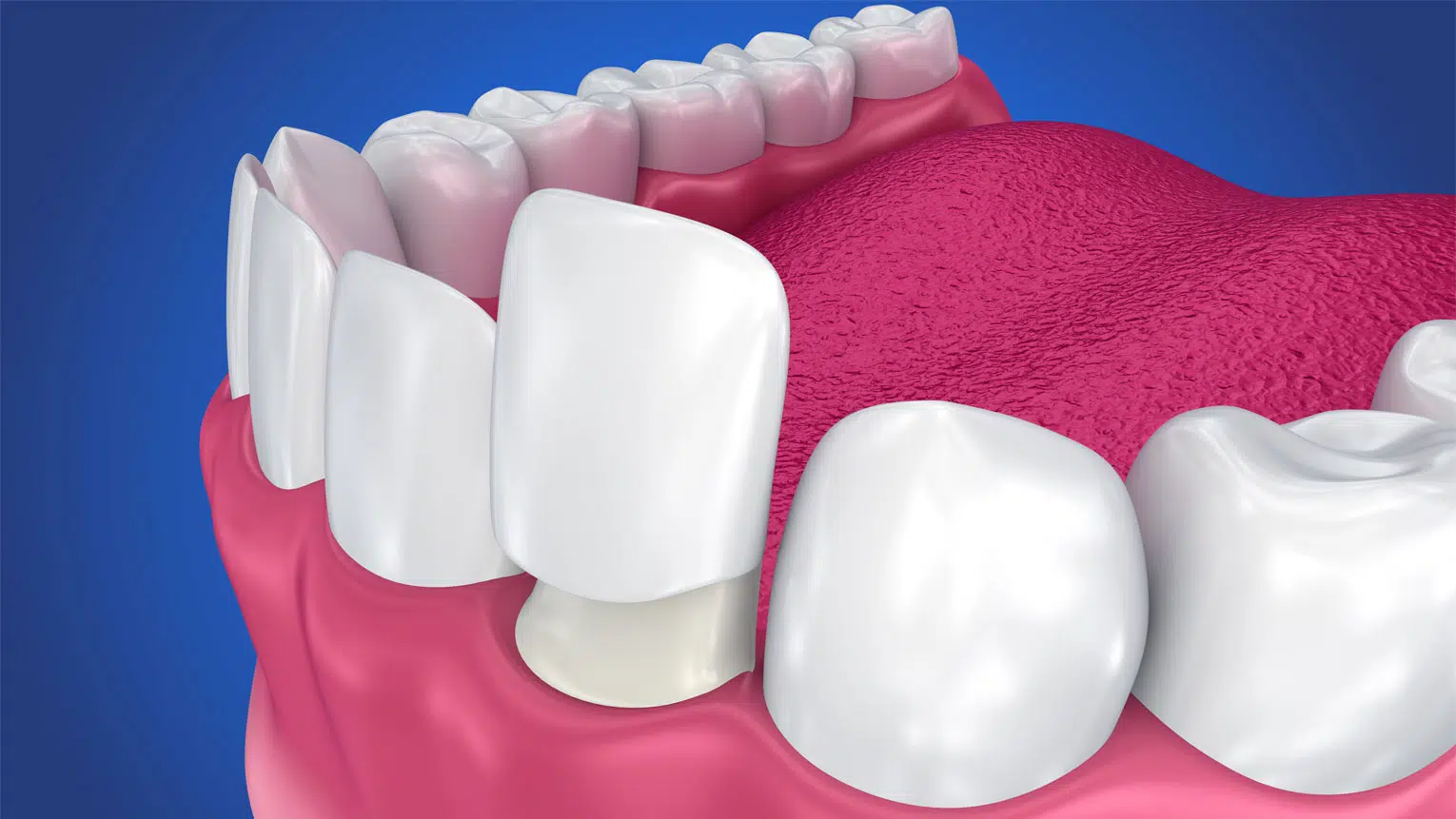
Questions to Ask Before Choosing Porcelain Veneers
Veneers can change tooth shape and color, but treatment is not reversible in every case. Review candidacy, tradeoffs, and maintenance.
