
Dental Implants vs. Dentures




Dental implants and dentures can both replace missing teeth, but they differ in support, treatment time, cleaning, and candidacy. The best choice depends on oral health, bone, medical history, the number of missing teeth, and personal priorities.
How each option is supported
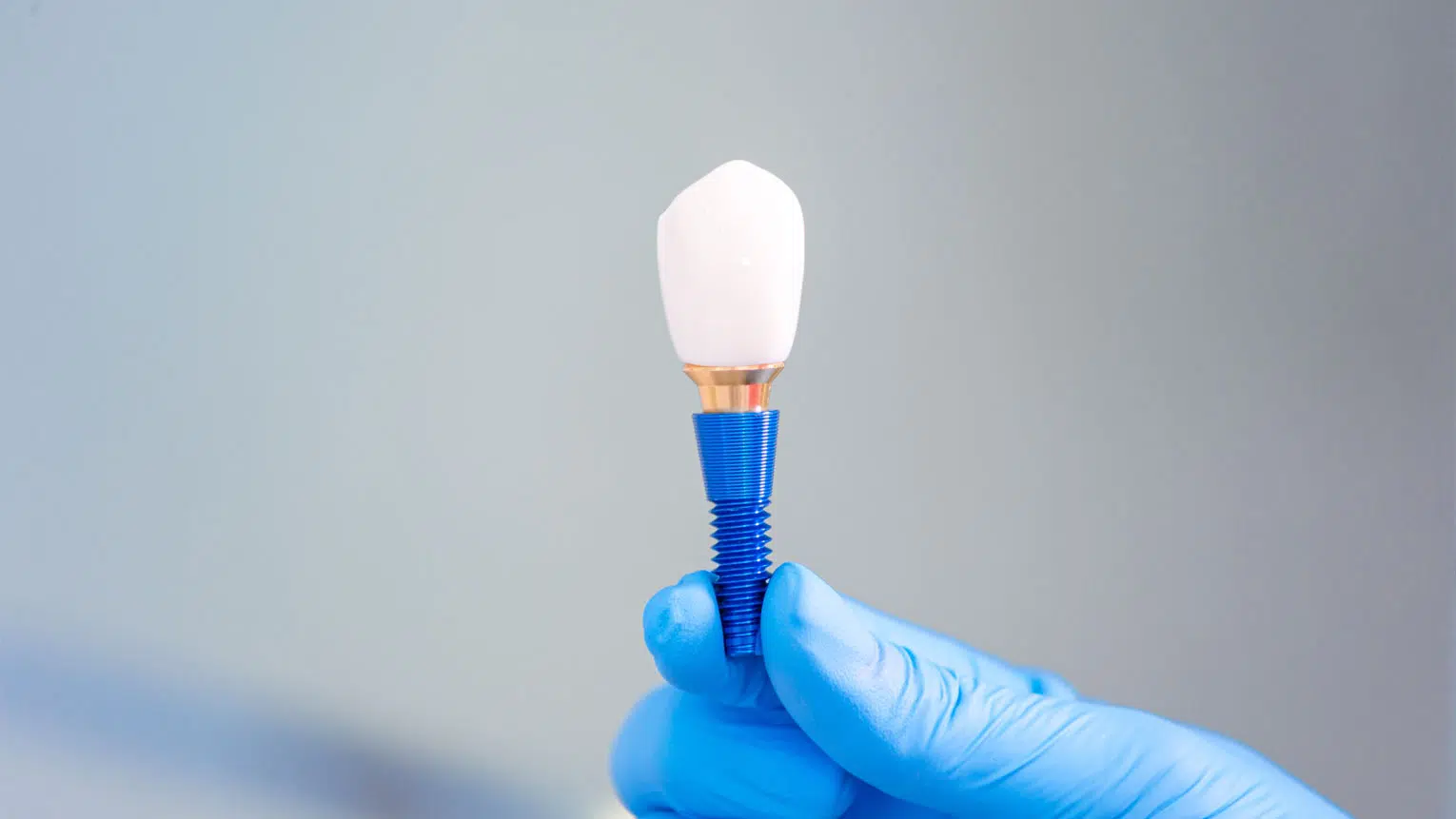
A removable denture rests on the gums and may replace several or all teeth. An implant is placed in the jaw and can support a crown, bridge, or certain dentures. Implants require a surgical procedure and healing, while a conventional removable denture does not require implant placement.
Daily function and care
Implant-supported teeth may provide greater stability, but no restoration functions exactly like natural teeth. Removable dentures require removal and cleaning. Implant restorations require careful cleaning around their supports and professional monitoring.
Timing and maintenance
Dentures can sometimes be made sooner, although fit may change as tissues heal. Implant treatment often takes place in stages. Both options can require repairs or replacement over time. Implants cannot develop cavities, but surrounding tissue can become inflamed.
Questions that guide the decision
- Is enough healthy bone present?
- Are the gums stable?
- Can medical conditions affect healing?
- What cleaning will be required?
- What costs and future maintenance should be expected?
Blue Island Smiles can evaluate candidacy for dental implants and compare them with removable tooth-replacement options.
How oral health changes the decision
Stable gums and control of active decay are important for either option. Implant surgery also requires evaluation of bone, healing capacity, tobacco use, and medical history. A denture must be designed around the shape and condition of the gums and any remaining teeth. Neither choice should begin with appearance alone.
Comparing comfort and stability
A conventional denture rests on soft tissue and may move during chewing or speaking, particularly as the supporting ridge changes. Adjustments and relines can improve fit, but adhesive should not be used indefinitely to compensate for a poorly fitting appliance. Implant-supported restorations may be more stable, but they still transmit chewing forces and require careful design.
Cleaning requirements
Remove a conventional denture as instructed and clean the appliance and oral tissues daily. Partial dentures require special attention around supporting teeth. Implant crowns, bridges, and overdentures need daily plaque removal around the implant components. Specialized floss, small brushes, or water irrigation may be recommended.
Questions about cost and timing
Ask for a written plan that separates surgery, temporary teeth, final restorations, maintenance, and possible future repairs. Insurance coverage and financing do not determine which treatment is clinically appropriate. Bone grafting, extractions, healing time, and laboratory steps can affect the schedule.
Frequently asked questions
Can implants support a removable denture?
Yes. Some dentures attach to implants for added retention while remaining removable for cleaning. Candidacy and the number of implants vary.
What if I am not ready to decide?
Ask how delaying replacement could affect tooth movement, bone, or available options. A temporary or removable solution may be discussed while planning continues.
Planning for comfort, function, and maintenance
The best replacement or treatment plan depends on the condition of the teeth, gums, bone, bite, medical history, and personal priorities. Cost and treatment time matter, but so do cleaning access, repairability, and the expected workload on nearby teeth.
Ask what will be temporary during healing, what daily cleaning will involve, and which changes should prompt a call. A clear maintenance plan is especially important for implants, dentures, bridges, and teeth next to an extraction site.
No option is maintenance-free. Regular examinations allow the team to check fit, bite, tissue health, supporting teeth, and bone changes before a small concern becomes harder to manage.
Questions worth asking
- What findings are most important in my case?
- What are the reasonable alternatives, including monitoring when appropriate?
- What should I expect during recovery or follow-up?
- Which symptoms should prompt me to call sooner?
Putting the guidance into practice
Compare options over their full life cycle: preparation, healing, temporary solutions, final fit, home care, professional maintenance, and possible repair or replacement. A lower initial burden is not always the same as the best long-term fit for a patient’s goals.
A written sequence can make complex treatment easier to understand. Ask which steps are essential, which are optional, what could alter the timeline, and how the office will monitor the tissues and bite after treatment.
Before you decide
Make sure you understand the likely benefit, important limitations, expected timeline, and follow-up. Written instructions are useful when there are several steps. If symptoms or circumstances change, contact the dental office so the plan can be reassessed rather than assuming the original advice still applies.
Sources
Meet the Author

Dr. Cassiopeia Suzuki-Ward
Dr. Cassia provides general dentistry with residency training and a clear, approachable style that helps patients feel heard and confident in their care.
Meet Dr. Cassia