
What Are the Early Signs of Gum Disease?
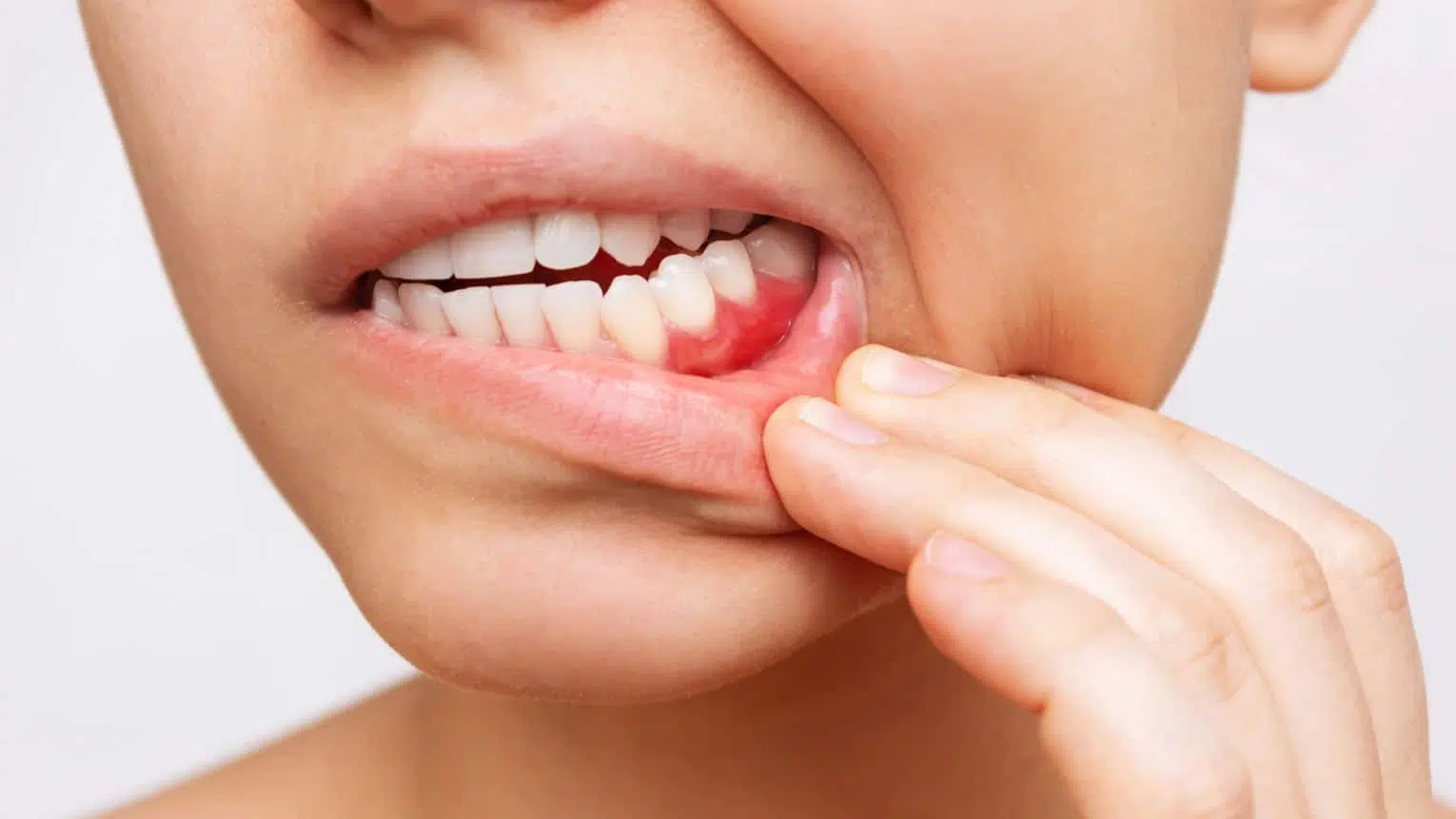




Gum disease begins when plaque and bacteria contribute to inflammation around the teeth. Early gum inflammation, called gingivitis, may cause redness, swelling, or bleeding. More advanced periodontal disease can damage the bone and tissues that support teeth.
Signs that deserve attention
- Gums that bleed repeatedly
- Red, swollen, or tender gums
- Persistent bad breath
- Gums pulling away from teeth
- Loose or shifting teeth
- Pain while chewing
Bleeding is common, but it should not be considered normal when it persists. Tobacco use can mask bleeding while increasing periodontal risk.
How gum disease is evaluated
A dental professional examines the gums, measures spaces around the teeth, evaluates tooth mobility, and may take images to assess supporting bone. The findings determine whether ordinary cleaning, improved home care, scaling and root planing, or specialist care is appropriate.
Daily prevention
Brush twice a day with fluoride toothpaste and clean between teeth daily. Avoid tobacco and manage health conditions with your medical team. Professional exams and cleanings remove hardened tartar that brushing cannot remove.
Blue Island Smiles can assess bleeding or receding gums and explain an individualized plan. Earlier evaluation generally provides more options for controlling inflammation and protecting supporting tissues.
Gingivitis and periodontitis are different stages
Gingivitis is inflammation limited to the gums and may improve when plaque and tartar are controlled. Periodontitis involves loss of the tissues and bone supporting teeth. Bone loss is not restored by ordinary cleaning, although treatment can help control infection and reduce further damage. A person can have advanced disease with limited pain.
Factors that can increase risk
Tobacco use is a major risk factor. Diabetes, genetics, older age, certain medicines, hormonal changes, dry mouth, and difficulty cleaning may also affect the gums. Tell the dental team about medical diagnoses and medicines. Gum treatment and medical care should be coordinated when a condition affects healing or inflammation.
What periodontal treatment may involve
Care is based on measurements and severity. Gingivitis may respond to professional cleaning and improved home care. Periodontitis may require scaling and root planing to clean below the gumline, shorter maintenance intervals, and sometimes referral to a periodontist. Surgery or medication is not necessary for every patient.
Maintaining results
Daily plaque removal and periodontal maintenance work together. Ask the hygienist to recommend floss, interdental brushes, or another device that fits the spaces in your mouth. A product cannot compensate for tobacco use or missed professional care, and bleeding should not be treated by avoiding the area.
Frequently asked questions
Can gum disease be contagious?
Bacteria can be shared, but gum disease develops through a combination of plaque, individual susceptibility, habits, and health factors. It is not managed like a simple contagious infection.
Will mouthwash cure gum disease?
A rinse may support a treatment plan in selected cases, but it cannot remove tartar or replace mechanical cleaning and professional care.
What an oral evaluation adds
Bleeding, swelling, dryness, sores, color changes, and persistent irritation can have more than one cause. A dental evaluation considers the pattern, duration, hygiene, medications, habits, and local irritants rather than relying on one symptom.
Keep a note of when the change began and whether it heals, returns, enlarges, or interferes with eating or speaking. A spot that persists for roughly two weeks, or any concerning lump or unexplained change, should be professionally assessed.
Daily brushing with fluoride toothpaste, cleaning between teeth, tobacco avoidance, hydration, and regular preventive visits support oral health, but they do not replace evaluation of a persistent abnormality.
Questions worth asking
- What findings are most important in my case?
- What are the reasonable alternatives, including monitoring when appropriate?
- What should I expect during recovery or follow-up?
- Which symptoms should prompt me to call sooner?
Putting the guidance into practice
Track whether a change is localized or widespread and whether it is associated with bleeding, tenderness, dryness, odor, a new medication, illness, or a change in routine. That context can help the dentist narrow possible causes.
Professional care may include measurements, photographs, imaging, cleaning, biopsy referral, or coordination with a physician depending on the finding. The next step should follow the evidence from the exam, not a symptom checklist alone.
Before you decide
Make sure you understand the likely benefit, important limitations, expected timeline, and follow-up. Written instructions are useful when there are several steps. If symptoms or circumstances change, contact the dental office so the plan can be reassessed rather than assuming the original advice still applies.
Sources
- National Institute of Dental and Craniofacial Research: Gum Disease
- Centers for Disease Control and Prevention: Gum Disease
Meet the Author

Dr. Cassiopeia Suzuki-Ward
Dr. Cassia provides general dentistry with residency training and a clear, approachable style that helps patients feel heard and confident in their care.
Meet Dr. CassiaRelated Posts

What Are the Early Signs of Gum Disease?
Transparent tooth edges can reflect normal anatomy or enamel wear. Learn what to notice and when to schedule an exam.

What Are the Early Signs of Gum Disease?
Your bite affects chewing, tooth wear, and jaw comfort. Learn what an uneven bite can feel like and when an exam may help.

What Are the Early Signs of Gum Disease?
Cold drinks, sweets, or brushing can trigger sensitive teeth. Learn common causes, useful steps, and signs that need care.
