

When Should Jaw Pain or TMJ Symptoms Be Evaluated?





The temporomandibular joints connect the lower jaw to the skull. Pain in this area may involve the joints, chewing muscles, teeth, or another health condition. Clicking alone is common and does not always require treatment, but pain or limited movement deserves evaluation.
Common symptoms
- Pain in the jaw, face, or area in front of the ear
- Difficulty or pain when chewing
- Limited opening or locking
- Jaw-muscle fatigue
- A bite that suddenly feels different
Headache and ear-area symptoms have many possible causes, so they should not automatically be labeled a TMJ disorder.
Conservative steps
Temporarily choose softer foods, avoid gum chewing, and reduce habits such as nail biting or resting the chin on a hand. Notice daytime clenching and allow the teeth to rest apart. Avoid aggressive jaw exercises or permanently changing the bite without a diagnosis.
When to call
Arrange an exam for persistent pain, locking, trauma, swelling, or difficulty eating. Sudden severe headache, chest symptoms, neurological changes, or a suspected fracture requires medical attention.
A nightguard may protect teeth when grinding is present, but it is not a universal treatment for jaw pain. Blue Island Smiles can evaluate the teeth and bite and coordinate further care when needed.
What an evaluation may include
The dentist asks when symptoms began, whether the jaw locks, and which movements trigger discomfort. The examination may include jaw opening, side-to-side motion, muscle tenderness, joint sounds, tooth wear, and the way the teeth meet. Dental images can help rule out some tooth or bone problems, but there is no single test that diagnoses every temporomandibular disorder.
Why conservative care often comes first
Many jaw-muscle and joint symptoms improve with time and reversible measures. A short period of softer food, reducing extreme opening, and awareness of clenching may help. Heat or cold may be useful depending on the person. Medicines should be used only when medically appropriate and according to professional or label instructions.
Be cautious with irreversible treatments that permanently change the bite, grind teeth, or involve surgery without a clear diagnosis. Complex or persistent symptoms may require coordination with a physician, physical therapist, oral and maxillofacial specialist, or another clinician.
Jaw pain and sleep
Grinding can occur during sleep, but a sore jaw does not prove that grinding is the only cause. Snoring, gasping, witnessed breathing pauses, or significant daytime sleepiness should be discussed with a physician. A nightguard may protect teeth, but it does not treat obstructive sleep apnea.
Frequently asked questions
Is jaw clicking always a problem?
Clicking without pain or limited movement is common and may not require treatment. New painful clicking or locking deserves evaluation.
Can stress affect jaw symptoms?
Stress may increase awake clenching or muscle tension. Managing stress can be one part of care, but physical symptoms should not be dismissed as “just stress.”
Details that help with diagnosis
Note when the problem began, what triggers it, how long it lasts, and whether it is getting worse. Mention swelling, fever, a bad taste, trauma, sleep disruption, or difficulty opening the mouth. These clues help distinguish problems that can look similar at first.
Avoid repeatedly testing a painful tooth with very hot, cold, or hard foods. Keep the area clean, use only medicines you can safely take as directed, and contact a dentist for individualized guidance.
Seek urgent medical help for trouble breathing or swallowing, rapidly spreading swelling, uncontrolled bleeding, or a serious facial injury. Dental pain without those signs still deserves prompt evaluation, especially when it is persistent or worsening.
Questions worth asking
- What findings are most important in my case?
- What are the reasonable alternatives, including monitoring when appropriate?
- What should I expect during recovery or follow-up?
- Which symptoms should prompt me to call sooner?
Putting the guidance into practice
Symptoms can change between the time an appointment is scheduled and the time it occurs. Call the office again if swelling develops, pain escalates, a tooth becomes mobile, a restoration falls out, or normal eating and sleeping become difficult.
During the evaluation, the dentist may combine visual findings, bite testing, temperature testing, gum measurements, and imaging. Because different conditions can produce similar sensations, the goal is to identify the source before choosing treatment.
Before you decide
Make sure you understand the likely benefit, important limitations, expected timeline, and follow-up. Written instructions are useful when there are several steps. If symptoms or circumstances change, contact the dental office so the plan can be reassessed rather than assuming the original advice still applies.
Sources
Meet the Author

Dr. Cassiopeia Suzuki-Ward
Dr. Cassia provides general dentistry with residency training and a clear, approachable style that helps patients feel heard and confident in their care.
Meet Dr. CassiaRelated Posts

When Should Jaw Pain or TMJ Symptoms Be Evaluated?
Transparent tooth edges can reflect normal anatomy or enamel wear. Learn what to notice and when to schedule an exam.

When Should Jaw Pain or TMJ Symptoms Be Evaluated?
Your bite affects chewing, tooth wear, and jaw comfort. Learn what an uneven bite can feel like and when an exam may help.
When Should Jaw Pain or TMJ Symptoms Be Evaluated?
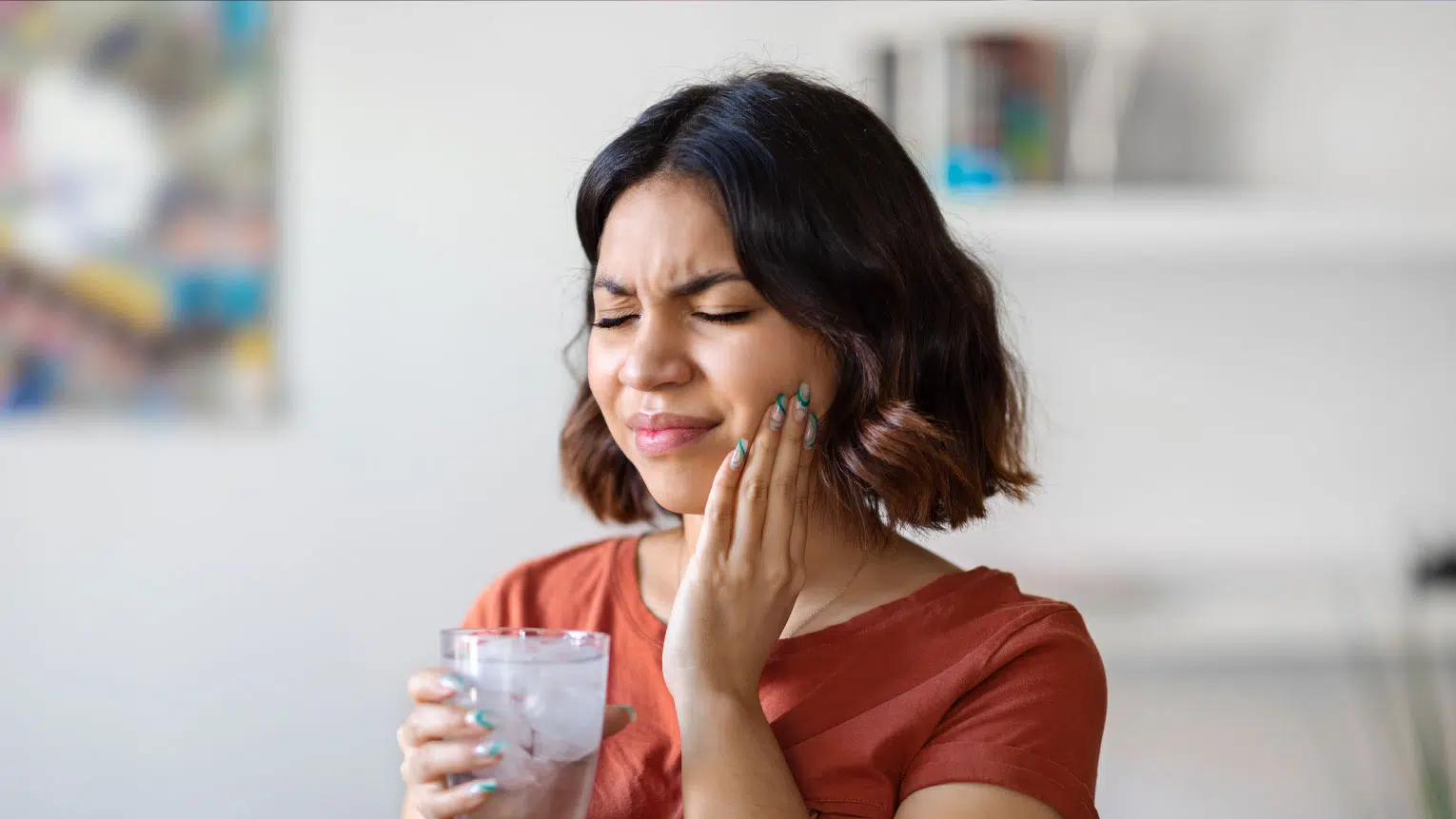
Cold drinks, sweets, or brushing can trigger sensitive teeth. Learn common causes, useful steps, and signs that need care.
