
What Can Laser Dentistry Be Used For?
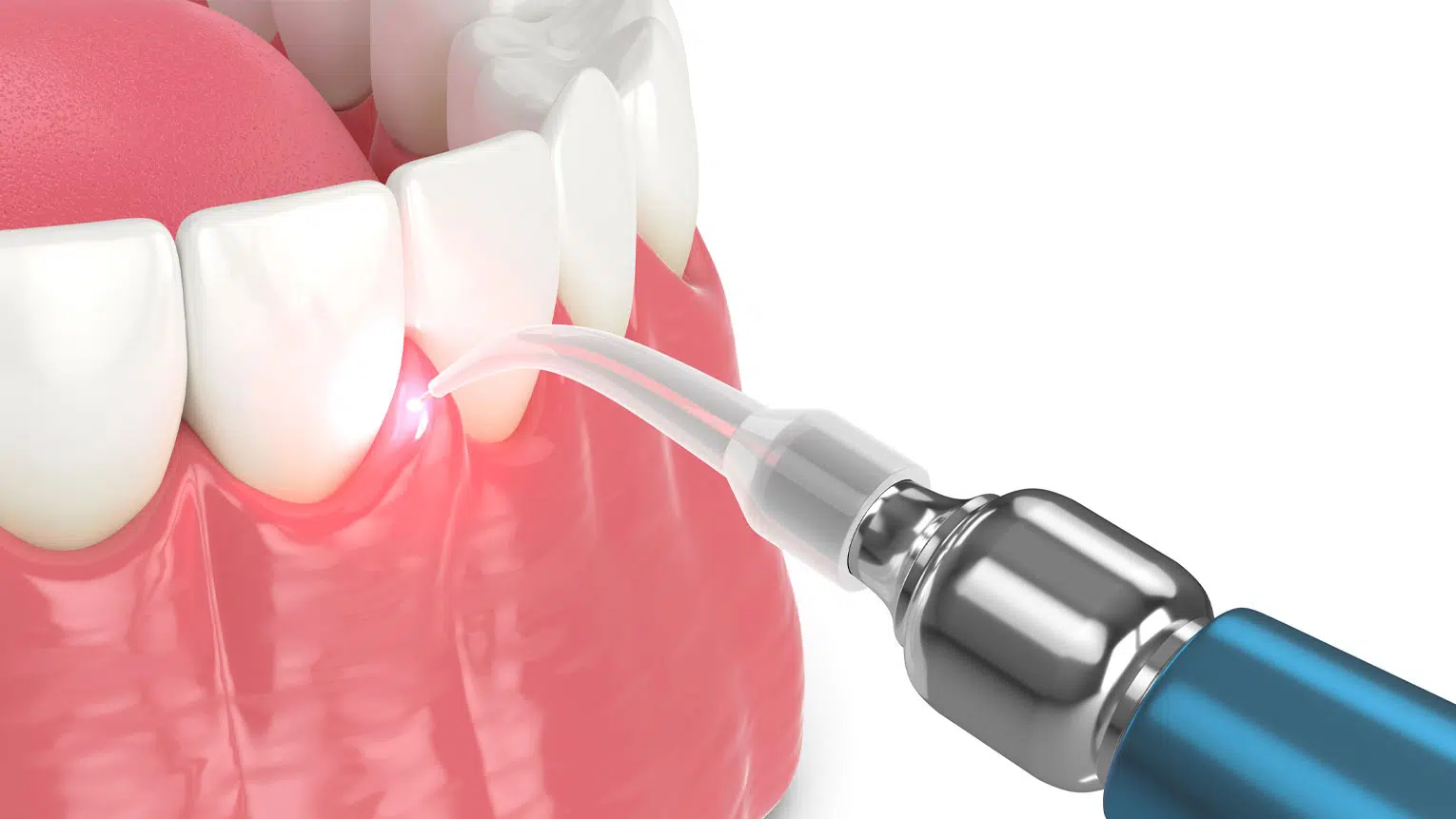




A dental laser delivers concentrated light energy to a targeted area. Different wavelengths interact with tissue in different ways, so a laser designed for gum tissue is not automatically appropriate for a tooth. Laser dentistry is a collection of techniques, not a single treatment.
Where lasers may be used
Depending on the device, training, and diagnosis, a dentist may use a laser for selected gum procedures, management of soft tissue, cavity preparation, or other steps in care. Some procedures still require traditional instruments, anesthesia, or both.
Possible benefits vary by procedure
Lasers may help a clinician work precisely and may reduce bleeding in certain soft-tissue procedures. They do not guarantee pain-free treatment, faster healing, or a better result for every patient. Tooth location, tissue type, restoration material, and the clinical goal all matter.
Questions to ask before treatment
- Why is a laser being recommended?
- What alternative technique could be used?
- Will anesthesia still be needed?
- What aftercare and risks apply to this procedure?
A clinical exam must come before choosing the instrument. Blue Island Smiles can explain when its laser dentistry services are appropriate and when another approach is preferable.
Safety still matters
The dental team selects settings and protective measures for the device and procedure. Patients and staff may need wavelength-specific eye protection. Training and case selection are as important as the equipment itself.
Technology should support a clear diagnosis and treatment plan. It should not be the reason to perform a procedure that is otherwise unnecessary.
Laser treatment and informed consent
Before treatment, the dentist should explain the diagnosis, the intended laser use, reasonable alternatives, expected benefits, material risks, and likely aftercare. The word “laser” should not replace a procedure-specific explanation. Cost or novelty alone does not establish clinical value.
Situations where other instruments may be preferable
Lasers cannot remove every restorative material and may not be appropriate near certain structures. Traditional instruments can provide tactile feedback, shape hard tissue, or complete steps that a specific laser cannot. Many procedures use a combination of technologies.
What patients may notice afterward
Recovery depends on the tissue and procedure. Some soft-tissue sites may bleed less during treatment, but soreness, swelling, or wound-care instructions can still apply. Contact the office for increasing pain, persistent bleeding, fever, drainage, or another change outside the expected course.
Frequently asked questions
Does laser dentistry eliminate the need for anesthetic?
No. Some procedures may require less anesthetic, while others still need local anesthesia. Sensitivity and procedure depth vary.
Is a dental laser the same as a whitening light?
No. Devices marketed as lights or lasers have different mechanisms and indications. Ask which device is being used and what evidence supports its role.
Does a laser make treatment risk-free?
No procedure is risk-free. Training, device selection, protective eyewear, settings, diagnosis, and aftercare all affect safety.
Technology is a tool, not the diagnosis
Digital and laser tools can improve visibility, measurements, documentation, or comfort in selected situations. Their value depends on the clinical question, the operator, and whether the technology is appropriate for the procedure.
Ask what the tool changes about the visit, what its limitations are, and whether a conventional alternative exists. A newer technique is not automatically the best choice for every tooth or patient.
The treatment plan should still be based on an examination, relevant history, and a discussion of benefits, risks, alternatives, and follow-up. Technology supports that process; it does not replace professional judgment.
Questions worth asking
- What findings are most important in my case?
- What are the reasonable alternatives, including monitoring when appropriate?
- What should I expect during recovery or follow-up?
- Which symptoms should prompt me to call sooner?
Putting the guidance into practice
The practical question is not whether a tool is advanced, but whether it improves accuracy, comfort, communication, or efficiency for the task at hand. Some cases still require conventional impressions, instruments, imaging, or laboratory steps.
Ask how the data will be used, whether another appointment may still be needed, and what happens if a scan or laser is not suitable. Clear expectations are more useful than assuming every digital workflow is identical.
Before you decide
Make sure you understand the likely benefit, important limitations, expected timeline, and follow-up. Written instructions are useful when there are several steps. If symptoms or circumstances change, contact the dental office so the plan can be reassessed rather than assuming the original advice still applies.
Sources
- American Dental Association: Lasers for Dentistry
- U.S. Food and Drug Administration: Laser Products and Instruments
Meet the Author

Dr. Cassiopeia Suzuki-Ward
Dr. Cassia provides general dentistry with residency training and a clear, approachable style that helps patients feel heard and confident in their care.
Meet Dr. Cassia