
Questions to Ask Before Choosing Porcelain Veneers
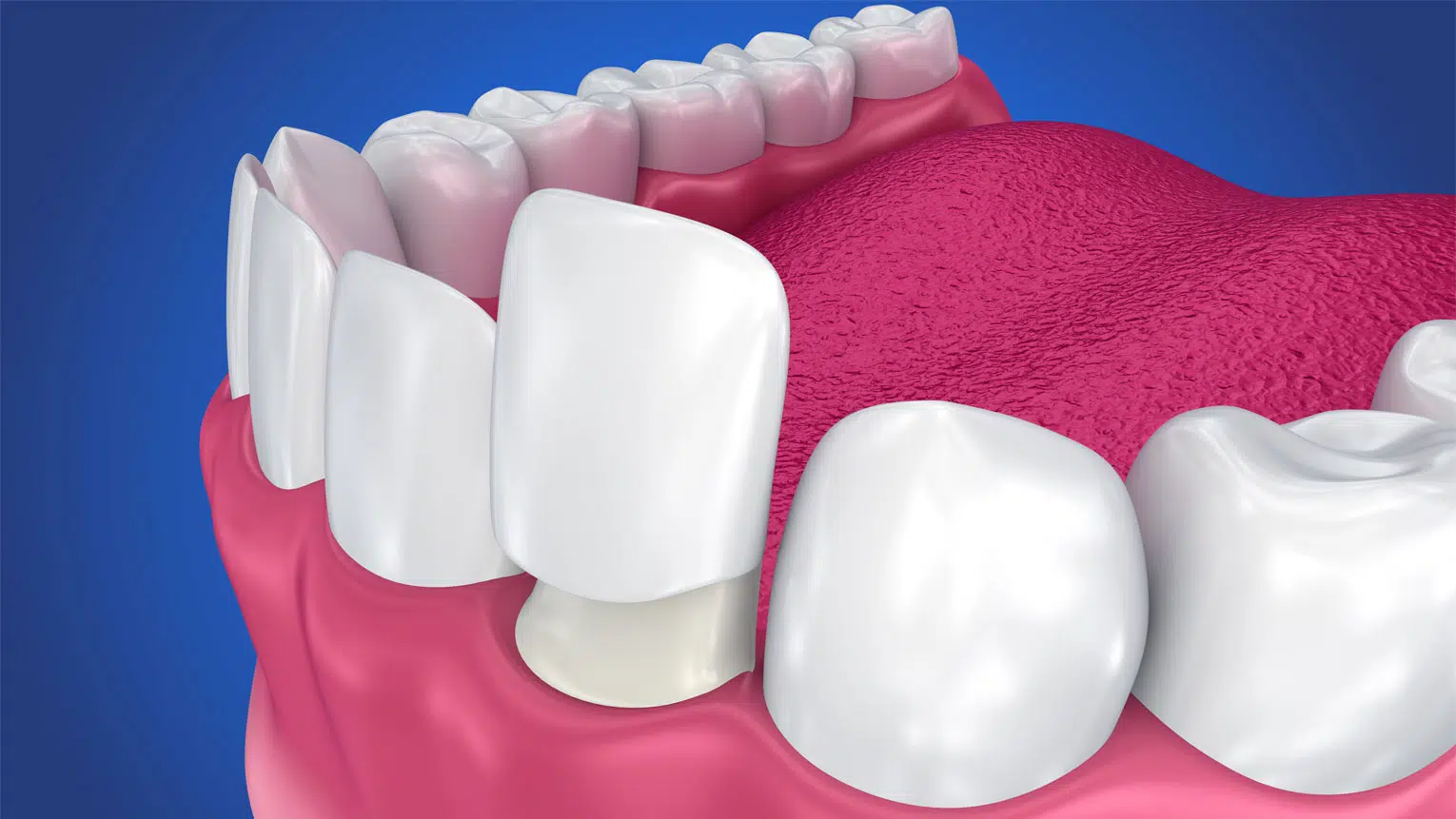




Porcelain veneers are thin restorations bonded to the front of selected teeth. They may change color, shape, length, or spacing, but they are not the right answer for every cosmetic concern.
What veneers can and cannot do
Veneers may mask discoloration that does not respond to whitening, reshape worn or chipped areas, or improve proportion. They do not treat active decay, gum disease, or uncontrolled grinding. Significant tooth-position or bite problems may be better addressed with orthodontic treatment.
Tooth preparation matters
Some enamel is often removed to create space and a stable bonding surface. That means treatment may be irreversible. Ask how much tooth structure would change, whether a less invasive option could meet the goal, and what would happen if a veneer later chips or loosens.
Color and maintenance require planning
Porcelain does not whiten after placement. If whitening is planned, it usually needs to be considered before the final shade is selected. Veneers still require brushing, between-teeth cleaning, and routine exams. Grinding may increase the risk of damage, and a nightguard may be recommended.
Compare alternatives
Whitening, composite bonding, or clear aligners may be more conservative for certain concerns. Blue Island Smiles can compare those choices with porcelain veneers after evaluating the teeth, gums, and bite.
Who may not be an ideal veneer candidate?
Veneers may be less predictable when there is active gum disease, extensive decay, very little enamel, severe grinding, or a bite that places heavy force on the front teeth. A tooth with a large existing restoration may need a different type of restoration. These factors do not automatically rule out cosmetic care, but they can change the safest sequence and expected maintenance.
What the planning process may include
The dentist records the concern, examines the teeth and gums, evaluates the bite, and reviews photographs or digital models. A proposed shape may be previewed with a mock-up or digital design. A preview is a communication tool, not a guarantee that biological tissues and ceramic will look identical to a simulation.
Discuss the number of teeth involved. Treating more teeth solely for symmetry removes more structure and increases future maintenance. In some cases, reshaping one edge, replacing an old filling, whitening, or orthodontic movement can solve the main concern more conservatively.
Living with veneers
Continue brushing with fluoride toothpaste and cleaning between teeth. Avoid biting ice, pens, fingernails, or packages. Report a change in bite, rough edge, gum irritation, or movement. A veneer can develop decay at an exposed margin even though porcelain itself cannot decay.
Professional cleanings and examinations allow the dentist to monitor margins, gums, color relationships, and the bite. Whitening nearby natural teeth later can create a mismatch because porcelain does not change color.
Frequently asked questions
Do veneers last forever?
No restoration is permanent. Longevity varies with design, remaining enamel, bite forces, habits, hygiene, and injury.
Will veneers fix crooked teeth?
They can visually mask limited irregularity but do not move roots or correct every bite problem. Clear aligners or braces may preserve more tooth structure.
Set priorities before choosing treatment
Start by identifying what you want to change and what you want to preserve. Shade, shape, spacing, tooth position, bite, gum levels, and existing dental work may each call for a different approach.
Ask which results are realistic, whether treatment removes tooth structure, how long the result may last, and what future maintenance or replacement could involve. Photos, scans, or a diagnostic preview may help clarify the plan.
Active decay, gum inflammation, clenching, erosion, and unstable bite forces should be addressed before or alongside elective cosmetic treatment. Improving the foundation usually makes the final result easier to maintain.
Questions worth asking
- What findings are most important in my case?
- What are the reasonable alternatives, including monitoring when appropriate?
- What should I expect during recovery or follow-up?
- Which symptoms should prompt me to call sooner?
Putting the guidance into practice
A durable cosmetic plan should account for function as well as appearance. Existing restorations will not necessarily respond like natural enamel, and tooth movement, whitening, bonding, veneers, or crowns may need to occur in a deliberate order.
Ask how the proposed result will be previewed, what daily habits could shorten its lifespan, and whether a nightguard or other maintenance is likely. Understanding future touch-ups and replacement helps prevent surprises.
Before you decide
Make sure you understand the likely benefit, important limitations, expected timeline, and follow-up. Written instructions are useful when there are several steps. If symptoms or circumstances change, contact the dental office so the plan can be reassessed rather than assuming the original advice still applies.
Sources
Meet the Author

Dr. Cassiopeia Suzuki-Ward
Dr. Cassia provides general dentistry with residency training and a clear, approachable style that helps patients feel heard and confident in their care.
Meet Dr. Cassia