

Teeth Grinding Signs and How to Protect Your Smile





Teeth grinding and clenching, together called bruxism, may happen while awake or asleep. Many people do not hear themselves grind. The first clues may be morning jaw fatigue, worn tooth edges, sensitivity, or a cracked restoration.
Common signs of bruxism
- Flattened, chipped, or increasingly short teeth
- Jaw or facial-muscle soreness
- Morning headaches
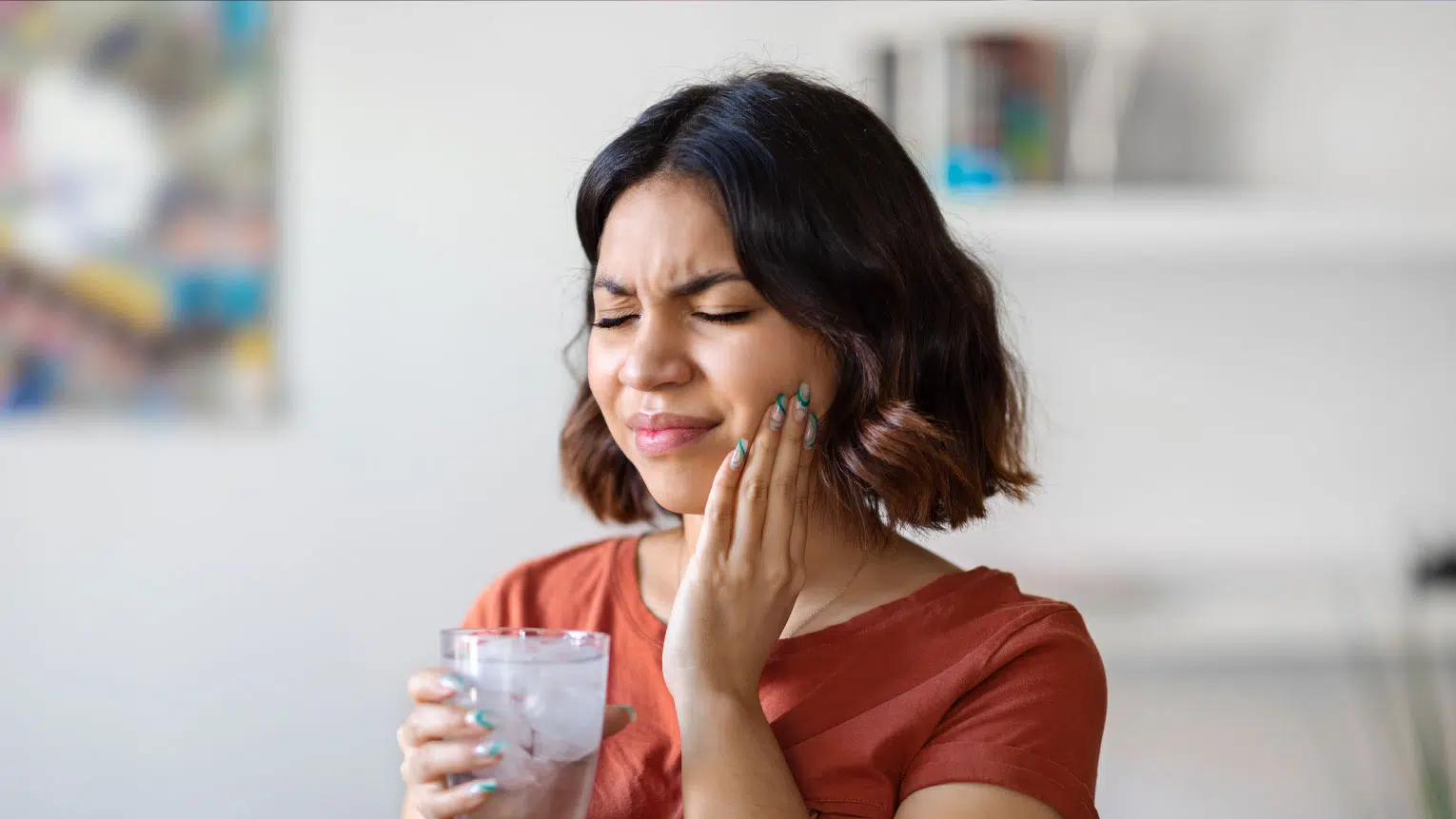
- Tooth sensitivity without an obvious cavity
- Repeated damage to fillings or crowns
- A partner noticing grinding sounds during sleep
These findings are not specific to bruxism. Jaw pain can come from many conditions, and tooth wear may reflect acid erosion or other habits. An exam helps distinguish them.
Why people grind or clench
Stress and concentration can contribute to awake clenching. Sleep bruxism involves sleep-related muscle activity and may occur alongside other sleep concerns. Medicines, caffeine, alcohol, and tobacco may be relevant for some people. Do not change a prescription without consulting the prescriber.
Ways to reduce damage
Notice daytime clenching and let the teeth rest apart when you are not chewing. Avoid chewing ice or using teeth as tools. Address sleep symptoms with the appropriate health professional.
A custom nightguard may protect teeth from grinding forces, but it does not cure every cause. The dentist should evaluate the bite, tooth condition, and jaw before recommending one.
Schedule a dental exam for ongoing jaw soreness, new tooth wear, or recurrent breakage. Seek prompt care for swelling, severe pain, or a broken tooth.
How bruxism is evaluated
The dentist looks for wear facets, chips, cracks, gum recession, and damage to restorations. Jaw muscles and movement may be examined. Reports from a sleep partner can be useful, but tooth wear alone does not prove current sleep grinding because the wear may be old or have another cause.
Treatment should match the goal
A nightguard creates a protective surface between teeth. It may reduce damage but does not necessarily stop the brain and muscles from producing grinding activity. Awake clenching may respond to habit awareness, scheduled reminders, or management of contributing stress. Sleep-related symptoms may require medical evaluation.
When the appliance needs attention
Bring the guard to dental visits. A guard that becomes loose, cracked, rough, or uncomfortable should be checked. Do not soften or reshape a professional appliance with heat. Cleaning and storage instructions vary by material.
Frequently asked questions
Can an over-the-counter guard work?
Some people use one temporarily, but fit and material vary. A bulky or unstable guard can be difficult to tolerate. Ask a dentist if symptoms persist.
Does grinding cause every cracked tooth?
No. Large restorations, biting hard objects, trauma, tooth anatomy, and ordinary fatigue can also contribute.
Can children grind their teeth?
Yes, and it may change as they grow. A child with pain, damaged teeth, snoring, or sleep concerns should be evaluated rather than automatically given an adult-style guard.
Set priorities before choosing treatment
Start by identifying what you want to change and what you want to preserve. Shade, shape, spacing, tooth position, bite, gum levels, and existing dental work may each call for a different approach.
Ask which results are realistic, whether treatment removes tooth structure, how long the result may last, and what future maintenance or replacement could involve. Photos, scans, or a diagnostic preview may help clarify the plan.
Active decay, gum inflammation, clenching, erosion, and unstable bite forces should be addressed before or alongside elective cosmetic treatment. Improving the foundation usually makes the final result easier to maintain.
Questions worth asking
- What findings are most important in my case?
- What are the reasonable alternatives, including monitoring when appropriate?
- What should I expect during recovery or follow-up?
- Which symptoms should prompt me to call sooner?
Putting the guidance into practice
A durable cosmetic plan should account for function as well as appearance. Existing restorations will not necessarily respond like natural enamel, and tooth movement, whitening, bonding, veneers, or crowns may need to occur in a deliberate order.
Ask how the proposed result will be previewed, what daily habits could shorten its lifespan, and whether a nightguard or other maintenance is likely. Understanding future touch-ups and replacement helps prevent surprises.
Before you decide
Make sure you understand the likely benefit, important limitations, expected timeline, and follow-up. Written instructions are useful when there are several steps. If symptoms or circumstances change, contact the dental office so the plan can be reassessed rather than assuming the original advice still applies.
Sources
- National Institute of Dental and Craniofacial Research: Bruxism
- American Dental Association: Teeth Grinding
Meet the Author

Dr. Cassiopeia Suzuki-Ward
Dr. Cassia provides general dentistry with residency training and a clear, approachable style that helps patients feel heard and confident in their care.
Meet Dr. CassiaRelated Posts

Teeth Grinding Signs and How to Protect Your Smile
Transparent tooth edges can reflect normal anatomy or enamel wear. Learn what to notice and when to schedule an exam.

Teeth Grinding Signs and How to Protect Your Smile
Your bite affects chewing, tooth wear, and jaw comfort. Learn what an uneven bite can feel like and when an exam may help.
Teeth Grinding Signs and How to Protect Your Smile
Cold drinks, sweets, or brushing can trigger sensitive teeth. Learn common causes, useful steps, and signs that need care.
